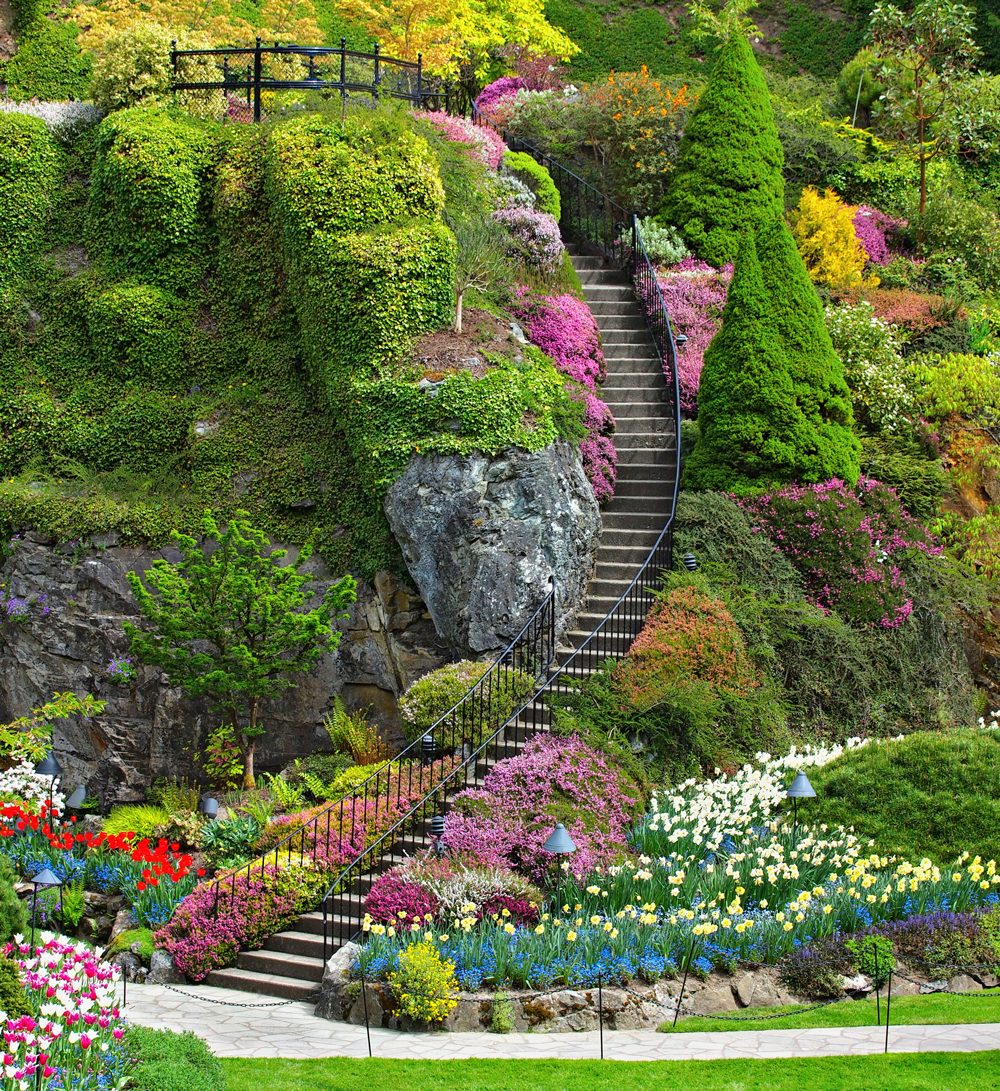
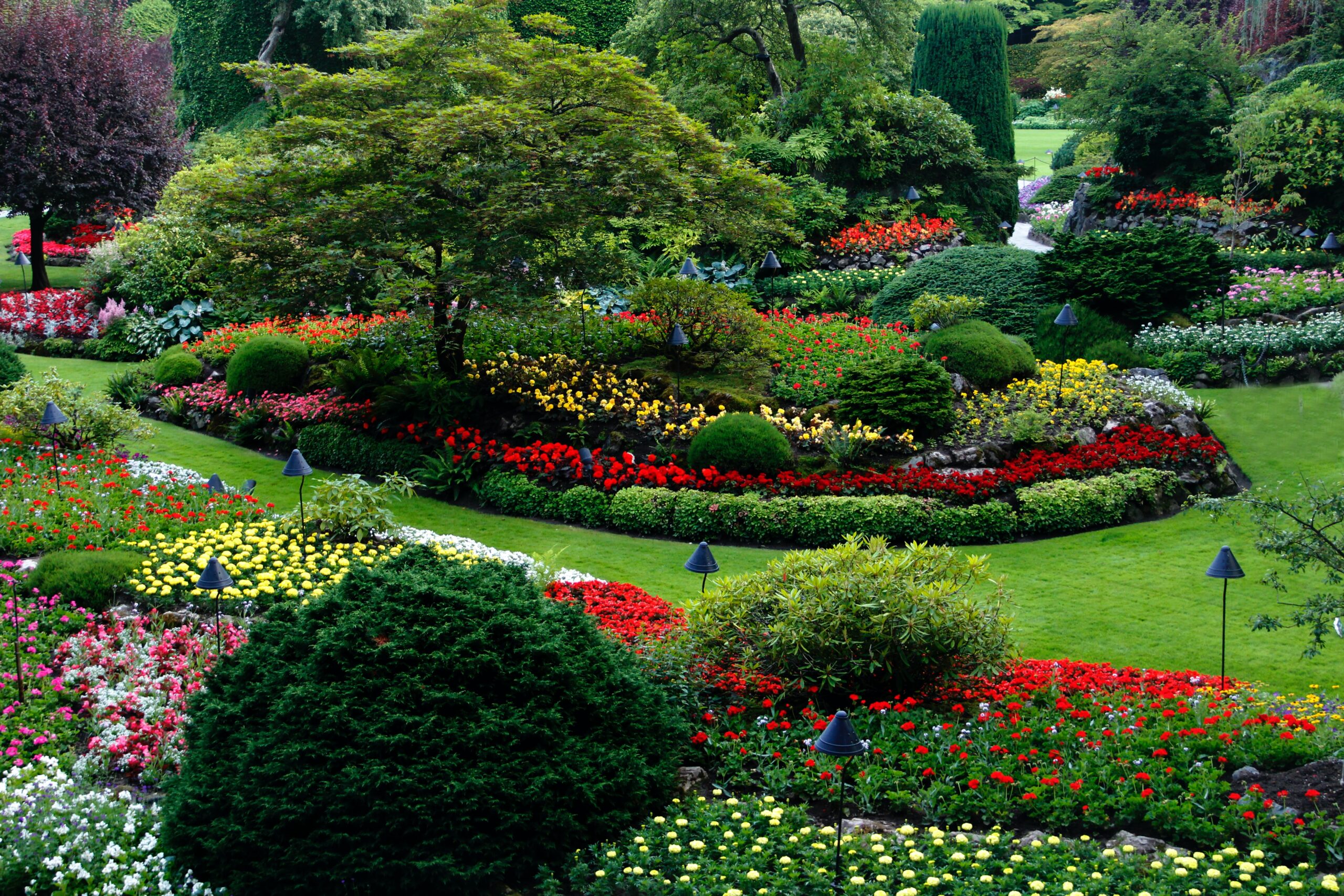
Community gardens do far more than produce food. They bring people together, strengthen neighborhoods, and create beautiful public spaces. Working alongside others helps build friendships, reduce stress, and encourage healthy outdoor activity.
For many gardeners, the sense of pride in maintaining a shared space is just as rewarding as harvesting vegetables. It’s also an opportunity for families to learn together and pass down skills to younger generations.
When we garden as a community, we grow much more than plants.
Watering is one of the most important skills in gardening, and many beginners struggle with either over-watering or underwatering. Most vegetables prefer deep, infrequent watering that reaches root depth rather than shallow daily sprinkles.
Aim to water early in the morning or late in the evening to reduce evaporation. If you’re using raised beds, be aware that they dry out faster than in-ground plots — checking soil moisture with your finger is a simple and effective method.
Consistent watering leads to healthier, more flavorful harvests.
Healthy plants start with healthy soil. Instead of relying on chemical fertilizers, try improving your soil’s structure and nutrient content with natural amendments. Compost adds organic matter that helps the soil hold moisture while also feeding beneficial microbes.
Leaf mulch and straw help regulate soil temperature and suppress weeds. Worm castings provide long-lasting nutrients without risk of burning your plants. Over time, these natural additions create the perfect environment for roots to grow strong.
Building good soil is a long-term process — but every handful of compost brings you one step closer.
Growing your own vegetables doesn’t have to be complicated. Some plants are naturally forgiving and give new gardeners the confidence to keep going. Lettuce, spinach, radishes, and bush beans are fast-growing, low-maintenance choices that thrive in most raised beds.
Cherry tomatoes and zucchini are also beginner favorites because they produce generously with consistent care. If you’re unsure where to start, choose 3–4 of these vegetables and focus on learning how much sun and water they prefer.
Start small, take notes, and enjoy the process — there’s nothing more rewarding than harvesting food you grew yourself.